Export
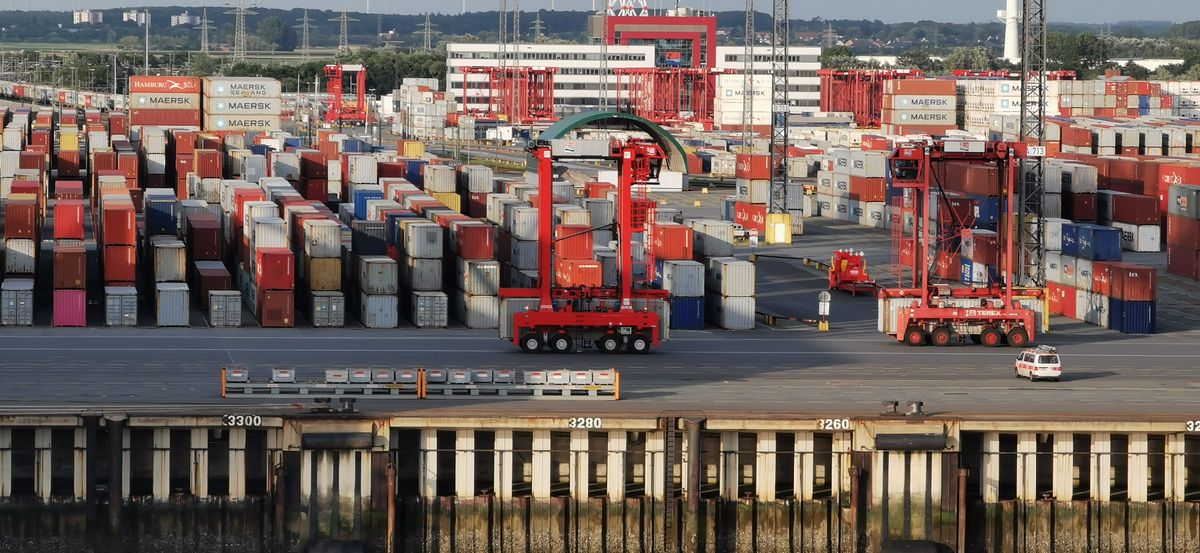
Domestic wholesale eventually hits a ceiling: there are only so many independent retailers in your home market, and your best categories mature. Cross-border wholesale — selling your product line to retailers and distributors overseas — is how brands break through that ceiling, and it is more accessible than most founders assume. It is also genuinely different: new regulations, new logistics, new payment risks. This guide walks through the decisions that determine whether international wholesale becomes your fastest-growing channel or an expensive lesson.
Pick your first export markets from data you already have. Where do your international website visitors come from? Which countries show up in your marketplace orders and social following? Canada, the UK, and Australia are natural first steps for US brands — shared language, compatible retail structures, and manageable regulation. The EU offers scale but demands compliance work. Pick one market, win it, and let the playbook repeat.
Three entry models dominate cross-border wholesale. Selling direct to overseas retailers keeps the most margin but makes you the importer of record — you own compliance, duties, and logistics. Working with a distributor who buys your product outright is the simplest path: they handle everything in-market, and in exchange take 25–40% of the margin. An importer or broker hybrid sits between — they manage entry and relationships while you retain more pricing control. First-time exporters usually learn fastest with one strong distributor in one market before attempting direct retail relationships abroad.
Every category has its gatekeepers. Food and supplements face ingredient and labeling rules that differ meaningfully by market — a claim legal in the US can be prohibited in the EU or require notification in Canada. Cosmetics need market-specific registrations. Electronics need safety certifications. Children's products face strict testing regimes everywhere. Budget both money and calendar time: a compliance review, label adaptation, and any required testing typically runs one to three months and a few thousand dollars per market. Brands that treat compliance as an afterthought learn about it at the border, where it is most expensive.
Incoterms define exactly where your cost and risk stop and the buyer's begins. EXW (ex works) puts nearly everything on the buyer. FOB means you deliver to the export port. DDP (delivered duty paid) means you handle everything to their door — maximum service, maximum complexity. New exporters should avoid DDP at first; offering FOB or CIF terms to an experienced importer keeps you out of foreign customs brokerage until you have the volume to justify it.
Payment risk is the difference between domestic and cross-border wholesale that actually hurts. Domestic Net-30 habits do not translate to a new distributor twelve time zones away. For first orders, use payment in advance or an irrevocable letter of credit confirmed by your bank. As the relationship matures, move to open terms — and consider export credit insurance, which costs a fraction of a percent of invoice value and covers you against buyer default. Also decide your currency strategy early: invoicing in your home currency pushes FX risk to the buyer; invoicing in theirs may win the deal but requires a hedging plan.
Your export price only makes sense as a landed-cost calculation: product cost plus international freight, insurance, duties, and in-market delivery, all the way to the buyer's dock. Get the HS codes for your products right — the classification determines the duty rate, and errors cause delays and penalties. A freight forwarder earns their fee here: they consolidate shipments, file the export declarations, and keep small mistakes from becoming stranded containers. For small first orders, air freight hurts margin but buys speed and a good first impression; sea freight is where the economics work at volume.
Before product ships, file trademark protection in your target markets — trademark rights are territorial, and your domestic registration does nothing abroad. Put distribution agreements in writing with defined territories, minimum purchase commitments, and marketing obligations. A distributor with no minimums and no territory discipline is not a partner; they are a customer with delusions of exclusivity.
The brands that succeed at cross-border wholesale treat the first market as a paid education: one distributor or a handful of direct retail accounts, one container or even a pallet at a time, with every mistake documented and every process written down. The second market then takes a fraction of the effort. International retail buyers are actively looking for differentiated products — with compliance handled and logistics priced honestly, your domestic track record becomes a compelling export story.
Winning the first overseas order is only half the job — the product still has to sell through in a market where nobody knows your brand. International buyers choose partners partly on the marketing support that comes with the product. Brands that provide localized sell sheets, market-appropriate imagery, social content buyers can repost, and a small launch allowance for in-store demos or promotions see dramatically better sell-through and reorder rates than brands that ship a pallet and disappear.
Set expectations early with distributors about who funds what. A common split: you supply content, imagery, and samples; the distributor funds local events and retail staff training. Put the agreement in writing, including how sell-through data gets reported back to you. That data is how you learn whether a slow quarter is a distribution problem, a pricing problem, or a product-market fit problem — and each has a very different fix.
International wholesale rewards patience more than any other channel. Compliance takes months, distributor relationships take quarters to mature, and freight cycles punish impatience. But brands that make the investment build something competitors cannot easily copy: diversified revenue across currencies and markets, and a product line with genuinely global shelf presence. Start with one market, do it properly, and let the playbook compound.
Start with trade shows in your target market, your country's export assistance programs, and B2B platforms. Vet candidates on their existing brand portfolio, warehouse capability, and retail relationships — and always check references from brands they already carry.
Incoterms are standardized trade terms defining where costs and risks transfer from seller to buyer. New exporters typically offer FOB or CIF, leaving foreign customs and delivery to experienced local partners, and graduate to more service-heavy terms as volume justifies the infrastructure.
Use payment in advance or an irrevocable letter of credit for first orders, move to open terms only after a track record, and consider export credit insurance for larger programs. Never ship a first international order on open account.
Usually, yes. Most markets require local-language labeling, local ingredient or safety declarations, and the importer's details on pack. A compliance review before your first shipment is far cheaper than relabeling a container at the border.
Tell us about your product and where you want to sell. We'll help you take the first step.