Operations
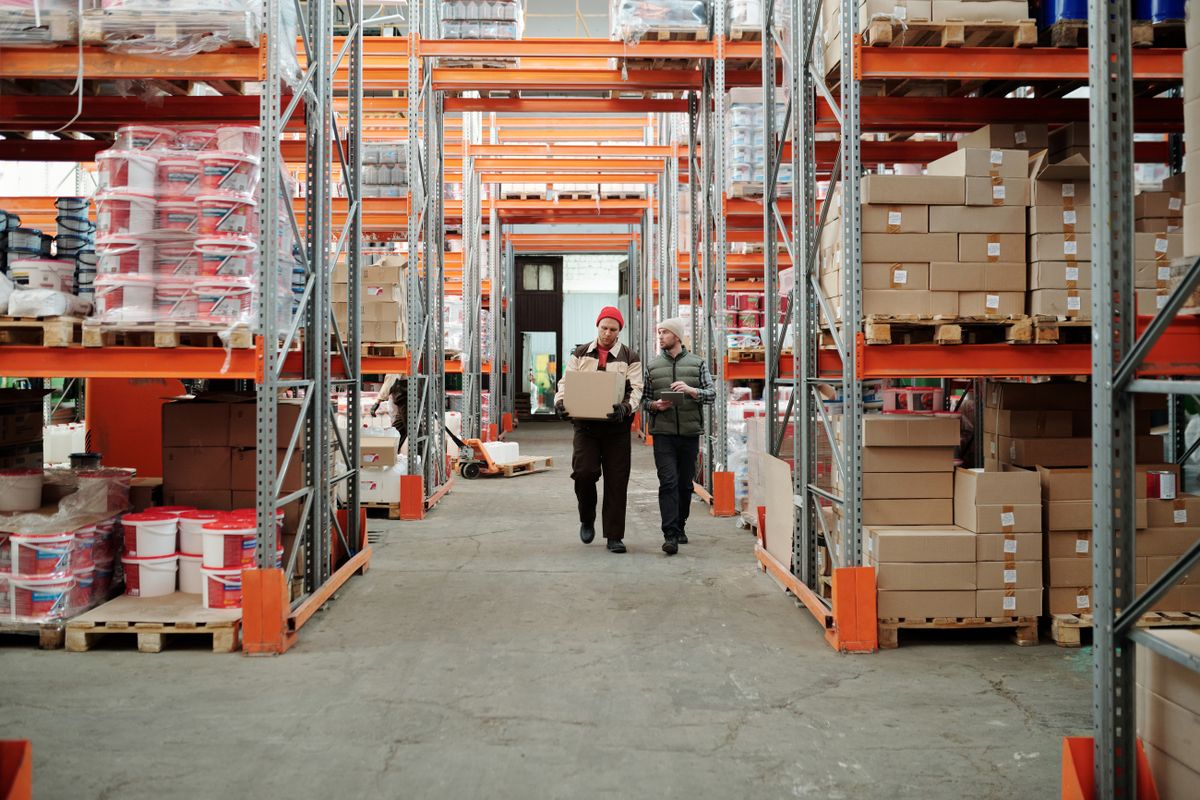
Promise 7 to 10 business days for in-stock orders under 50 units. Promise 14 to 21 business days for custom production, bulk orders over 100 units, or anything requiring assembly. Build your lead time backward from the ship date, not forward from the order date, and communicate every step automatically so buyers stop asking where their order is.
Apparel and soft goods ship fastest when inventory is on hand. Stock items under 50 units ship in 7 to 10 business days. Orders requiring size assortments, custom labels, or restock from your supplier add 7 to 14 days. If you cut and sew to order, promise 21 to 28 days and pad by 3 days for thread color delays or fabric shortages.
Food and beverage lead times depend on shelf stability and batch cycles. Shelf-stable packaged goods ship in 5 to 7 days when stock is ready. Fresh, frozen, or refrigerated products need 10 to 14 days to coordinate cold chain logistics. Co-packed items produced on a shared line add another week because your run waits for the production schedule.
Home goods, beauty, and personal care fall in the middle. Stock items under 25 units ship in 7 to 10 days. Custom formulations, private label runs, or orders requiring assembly and quality checks take 14 to 21 days. Glass, ceramics, and fragile items need extra time for proper packing, so add 2 to 3 days if you hand-wrap each piece.
Bulk orders over 100 units always take longer regardless of category. The picking, packing, and palletizing work scales poorly. A 200-unit order takes roughly three times as long to fulfill as a 50-unit order. Promise 14 to 21 days for any order that fills more than two cartons.
Start with the date the carrier picks up the package, not the date the buyer places the order. Work backward through every task that must happen before the box leaves your facility. This prevents the optimistic math that kills your reputation when reality arrives three days late.
A worked example for a 30-unit apparel order: the buyer wants delivery by March 15. Ground shipping takes 5 business days, so the carrier must pick up by March 8. Packing and labeling take 1 day, so fulfillment must start March 7. Inventory pull and quality check take 1 day, so warehouse work begins March 6. Order processing and invoice generation take 1 day, so the order must be confirmed by March 5. If the buyer submits the order on March 1, you have 4 days of buffer. If they submit on March 3, you are already behind.
Add time for tasks your team actually does, not tasks you wish you could skip. If every order gets a handwritten thank-you note, that takes 10 minutes per order and happens before packing. If you photograph every shipment for your records, that takes 5 minutes and happens after packing. If your warehouse is only staffed Tuesday through Thursday, orders submitted Friday wait four days before anyone touches them.
Pad by 2 business days for orders under $500 and 3 business days for orders over $500. The padding absorbs the small delays that happen every week: the label printer jams, the warehouse manager calls in sick, the freight company reschedules pickup. Buyers would rather receive an order one day early than one day late. Early shipments do not damage reorder rates. Late shipments do.
Buyers email to ask where their order is because they have no other way to know. Every status email costs you 8 to 12 minutes of admin time to look up the order, check the tracking number, write a reply, and send it. If 30% of your buyers email once per order, and you ship 100 orders per month, you spend 4 to 6 hours per month answering questions a system should answer automatically.
A B2B ordering portal sends automatic updates at every stage: order confirmed, payment processed, fulfillment started, shipped with tracking. The buyer logs in and sees the current status without asking. Wholesale order tracking systems cut status emails by 80% because the information is already visible.
The reorder damage happens when a buyer emails, waits six hours for a reply, emails again, then decides your brand is too much work. They do not tell you this. They just stop ordering. The second order never arrives because the first order felt like a hassle even though it shipped on time. Automatic updates make the process feel smooth even when the lead time is long.
GWO's portal shows order status in a live dashboard and sends email updates at each stage. Buyers see exactly where their order is without waiting for a human to reply. The system also tracks which buyers log in to check status and which ones never look, so you know who needs a phone call and who is fine waiting.
Promising 7 days and delivering in 10 costs more than promising 10 days and delivering in 10. The math is not obvious until you track what happens after the late delivery.
A worked example: you promise 7-day lead time to win the order. The buyer plans a product launch for day 8. Your order ships on day 10. The product arrives on day 15. The launch is delayed or canceled. The buyer emails twice to ask where the order is, costing you 20 minutes of admin time. They leave a lukewarm review on your Faire profile or tell another retailer your lead times are unreliable. The next time they need product, they order from a competitor who promises 10 days and delivers in 9.
The cost breakdown: 20 minutes of admin time at $30/hour labor cost equals $10. One lost reorder at $400 average order value and 40% margin equals $160 in lost profit. One negative word-of-mouth interaction that prevents one new retailer from placing a $600 first order equals $240 in lost profit. Total cost of over-promising by 3 days on one $400 order: $410. You paid $10 to lose $400 in future revenue.
Promising realistic lead times and delivering early has the opposite effect. The buyer plans for day 10, receives the order on day 8, and feels relieved. They do not email. They reorder sooner because the first experience was smooth. Reorder rates improve when the fulfillment process feels predictable and low-effort.
If you are consistently late, the problem is not your lead time promise. The problem is your fulfillment process. Fix the process or adjust the promise to match reality. Do not keep promising 7 days when your actual average is 11 days. Buyers notice patterns across multiple orders.
Lead times stretch during Q4, back-to-school, or any period when your fulfillment team is running at capacity. Communicate the adjusted lead time before the buyer submits the order, not after. A portal can display seasonal lead time warnings on the order form so buyers see the updated timeline before they commit.
Stockouts require immediate communication. If an item goes out of stock after the buyer orders it, contact them within 24 hours with the new lead time or a substitution offer. Do not wait until the original ship date passes. Buyers tolerate delays when they are warned early. They do not tolerate silence.
Partial shipments are an option when part of the order is ready and part is delayed. Offer to ship the available items now and backorder the rest, or hold the entire order until it is complete. Let the buyer decide. Some retailers prefer partial shipments to keep product moving. Others want one delivery to simplify receiving.
GWO builds lead time logic into the ordering portal. You set lead time by product category, order size, and season. The system calculates the estimated ship date when the buyer adds items to their cart and displays it on the order confirmation page. The buyer knows the timeline before they submit payment.
The portal sends automatic updates when the order is confirmed, when fulfillment starts, and when the shipment goes out with tracking. Buyers log in to see current status without emailing. The CRM flags orders approaching their ship date so your team can prioritize fulfillment and catch delays before they happen.
GWO takes 3% commission on wholesale orders and charges it against monthly fees, whichever is greater in any given month. The commission covers the portal, buyer outreach, and reporting. Lead time automation is included in the platform.
Calculate your actual average lead time by category and order size using the last 90 days of shipments. Measure from order confirmation to carrier pickup, not from order submission to delivery. Identify where delays happen most often and add 2 to 3 days of padding to your published lead time. Update your order forms, line sheets, and onboarding materials with the realistic timeline. Set up automatic order status updates so buyers stop emailing to ask where their shipment is.
Tell us about your product and where you want to sell. We'll help you take the first step.